Call us now :07971670859
 Send Inquiry
 Send Inquiry
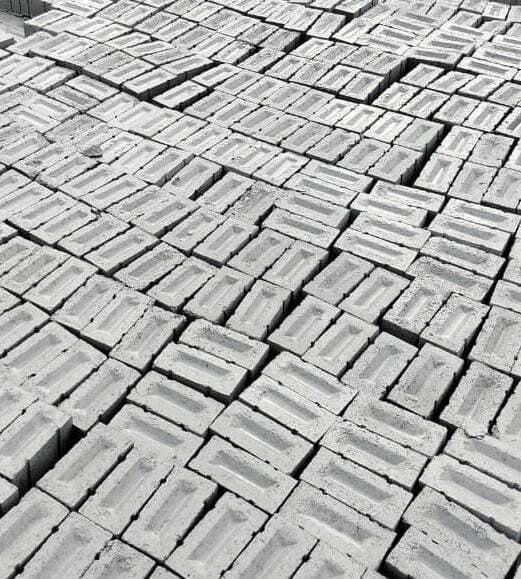
Flyash Brick
Price 5 INR/ Piece
MOQ : 3000 Pieces
Flyash Brick Specification
- Dimension (L*W*H)
- 230 mm x 110 mm x 75 mm
- Working Life
- More than 50 years
- Porosity (%)
- 10%
- Drying Shrinkage
- Less than 0.1%
- Water Absorption
- Less than 15%
- Compressive Strength
- 100 - 150 kg/cm²
- Bricks Type
- Flyash Bricks
- Material
- Flyash, Cement, Sand
- Type
- Solid
- Color
- Grey
- Size
- 230 mm x 110 mm x 75 mm
- Shape
- Rectangular
- Porosity
- Low
- Thickness
- 75 mm
- Technics
- Autoclaved
- Feature
- Eco-friendly, High Strength, Sound Insulation
- Surface Texture
- Smooth
- Finish Type
- Smooth
- Frost Resistance
- High
- Usage/Application
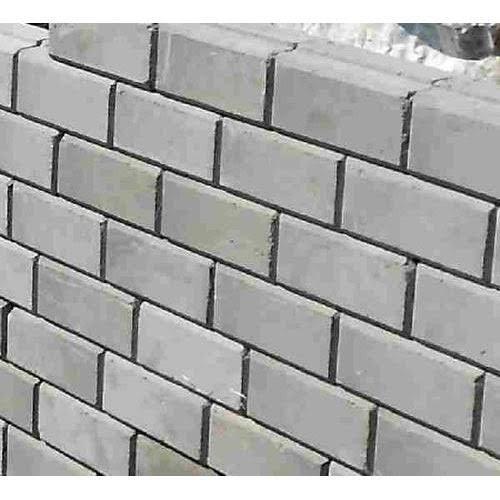
- Building Construction, Wall Partition
- Fire Resistance
- Excellent
- Resistance to Fungi
- Yes
- Weight per Brick
- 3.0 to 3.2 kg
- Efflorescence
- Nil
- Recyclability
- 100%
- Thermal Conductivity
- 0.9 W/mK
- Packing Type
- Standard Shrink Wrap and Palletized
- Density
- 1.6 to 1.8 g/cm³
Flyash Brick About
Fly ash bricks are also cheaper than clay bricks, because fly ash is a waste product from coal-fired power plants. They are made from a mixture of fly ash, cement, and water, and they offer a number of advantages over clay bricks. These bricks are stronger than clay bricks, and they are also more resistant to fire and weathering. Fly ash bricks are a more environmentally friendly option than clay bricks, because they are made up of waste products and reduce the need to mine clay. If you are looking for durable and cost effective bricks then choose Mohta Fly ash bricks for a sustainable and cost-effective alternative to traditional clay bricks. By using Mohta fly ash bricks in your construction project, you can save money, reduce your environmental impact, and build a stronger and more durable structure. Contact us today to learn more about the price of our fly ash brick.
Product details
|
ountry of Origin |
Made in India |
|
Usage/Application |
Side Walls |
|
Color |
Grey |
|
Eco Friendly |
Yes |
|
Resistance Durability |
Heat Resistant,Water Resistant |
|
Shape |
Rectangular |
Exceptional Fire and Frost Resistance
Flyash Bricks deliver excellent protection against fire and frost, ensuring safety and durability in various climates. Their composition and manufacturing process render them highly resistant to both thermal and environmental stresses, making them suitable for regions with extreme temperatures or adverse weather conditions.
Eco-Friendly and Sustainable Choice
Manufactured from recyclable materials like flyash, cement, and sand, these bricks help reduce the environmental footprint in construction. With 100% recyclability and low water absorption, they contribute toward sustainable building practices while providing robust structural integrity over a working life spanning more than 50 years.
Precision and Strength for Modern Construction
These bricks offer consistent dimensions, high compressive strength (100-150 kg/cm2), and a smooth surface texture. The autoclaved production process ensures low porosity and minimal drying shrinkage, making them reliable for wall partitions, load-bearing walls, and modern construction applications across commercial and residential projects.
FAQ's of Flyash Brick:
Q: How are Flyash Bricks manufactured to achieve their high fire and frost resistance?
A: Flyash Bricks are produced using a blend of flyash, cement, and sand, and then cured through autoclaving. This process imparts excellent fire and frost resistance by forming a dense, solid structure with minimal porosity, which blocks heat and prevents frost damage.Q: What is the typical usage and application of Flyash Bricks in construction projects?
A: These bricks are mainly used for building construction and wall partitioning. Thanks to their high compressive strength, sound insulation, and smooth finish, they are suitable for both load-bearing and non-load-bearing walls in residential and commercial structures.Q: When should Flyash Bricks be considered over traditional clay bricks?
A: Flyash Bricks are an ideal choice when fire resistance, sound insulation, eco-friendliness, and uniform quality are desired. They especially outperform clay bricks in areas prone to fire hazards, frost, or where sustainability and recycling are priorities.Q: Where can Flyash Bricks be sourced and distributed in India?
A: Flyash Bricks are widely available across India through distributors, manufacturers, suppliers, and traders. They are delivered in standard shrink wrap and palletized packaging to ensure safe handling and transport.Q: What is the process of installation and handling for these bricks?
A: Flyash Bricks are straightforward to install due to their standardized shape and smooth surface finish. They require conventional masonry techniques and tools, with the added benefit of easy handling due to consistent weight and dimensions.Q: How does the brick's eco-friendly feature benefit construction projects?
A: Utilizing flyash bricks promotes sustainable construction by integrating industrial waste into building materials, reducing landfill burden. Their recyclability and low water absorption further lower the environmental impact, without compromising strength or durability.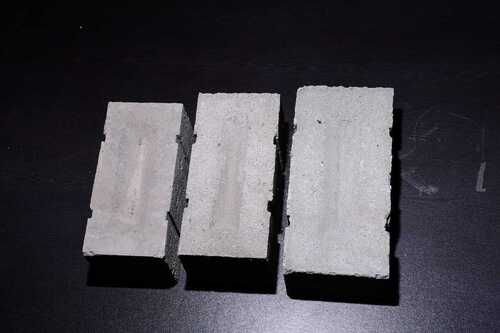
Tell us about your requirement

Price:
Quantity
Select Unit
- 50
- 100
- 200
- 250
- 500
- 1000+
Additional detail
Mobile number
Email

More Products in Fly Ash Bricks Category

Cement Bricks
Price 5 INR / Piece
Minimum Order Quantity : 3000 Pieces
Porosity : Other, Low
Bricks Type : Other, Solid
Color : Gray
Technics : Other, Machine Made
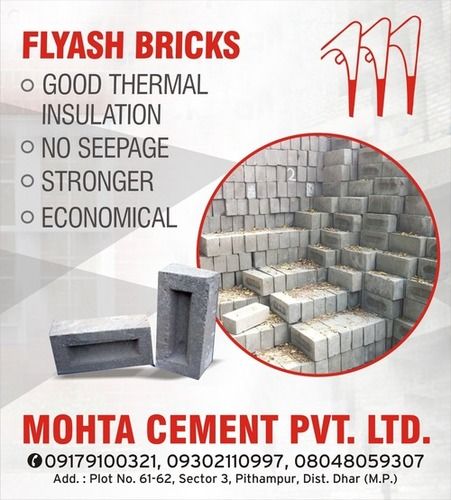
Best Fly Ash Bricks Distributor In Indore
Price 5 INR / Piece
Minimum Order Quantity : 3000 Pieces
Porosity : Other, Low
Bricks Type : Other, Solid
Color : Other , Grey
Technics : Autoclaved

Supplier Of Flyash Bricks
Price 5 INR / Piece
Minimum Order Quantity : 3000 Pieces
Porosity : Other, Low
Bricks Type : Other, Solid
Color : Other , Grey
Technics : Autoclaved
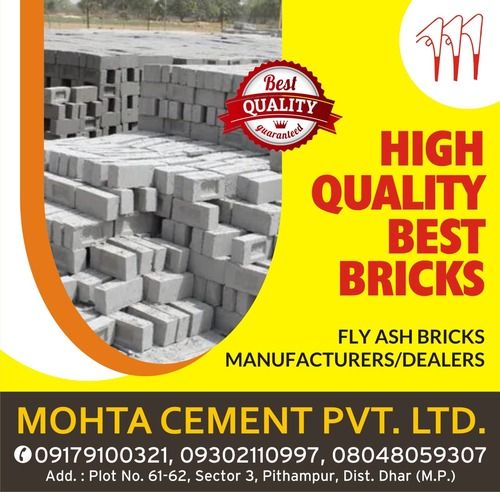
Strong Fly Ash Bricks
Price 5 INR / Piece
Minimum Order Quantity : 3000 Pieces
Porosity : Other, Low
Bricks Type : FlyAsh Bricks
Color : Other , Grey
Technics : Autoclaved

"We are only dealing in Madhya Pradesh"

 Send Inquiry
Our Products


Samyak Tower, 16/3, Old Palasia,Indore - 452018, Madhya Pradesh, India

Mr Gaurav Mohta
(Director)
Mobile :07971670859
 Send Inquiry
 Send SMS
 Call Me Free
Developed and Managed by Infocom Network Private Limited.


