Call us now :07971670859
 Send Inquiry

 Send Inquiry
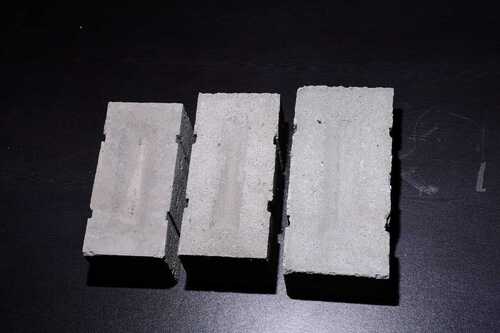
Flyash Bricks Vs Clay Bricks
Price 5 INR/ Piece
MOQ : 1000 Pieces
Flyash Bricks Vs Clay Bricks Specification
- Working Life
- Flyash Brick: Long life/durable. Clay Brick: Average life.
- Drying Shrinkage
- Flyash Brick: 0.02%. Clay Brick: 0.15-0.2%.
- Dimension (L*W*H)
- Flyash Brick: 230x110x75mm. Clay Brick: 190x90x90mm.
- Porosity (%)
- Flyash Brick: 6-12%. Clay Brick: 20-25%.
- Compressive Strength
- Flyash Brick: 80-120 kg/cm². Clay Brick: 30-40 kg/cm².
- Water Absorption
- Flyash Brick: <10%. Clay Brick: 20-25%.
- Bricks Type
- Flyash Brick: Structural Bricks. Clay Brick: Red Bricks.
- Material
- Flyash Brick: Flyash, cement, sand, gypsum. Clay Brick: Natural clay, water.
- Type
- Flyash Brick: Machine Made. Clay Brick: Handmade / Machine Made.
- Color
- Flyash Brick: Light Grey. Clay Brick: Red.
- Size
- Flyash Brick: 230x110x75 mm (Nominal). Clay Brick: 190x90x90 mm (Nominal).
- Shape
- Flyash Brick: Rectangular. Clay Brick: Rectangular.
- Porosity
- Flyash Brick: Less porous. Clay Brick: Highly porous.
- Thickness
- Flyash Brick: 60-200 mm. Clay Brick: 75-100 mm.
- Technics
- Flyash Brick: Autoclaved / Steam Cured. Clay Brick: Fired in kiln.
- Feature
- Flyash Brick: Uniform size, soundproof, eco-friendly, less efflorescence. Clay Brick: Traditional, easy availability, higher efflorescence.
- Firing/Fuel Requirement
- Flyash Brick: Does not require high-temperature firing. Clay Brick: Requires high-temperature firing (fuel-intensive).
- Thermal Conductivity
- Flyash Brick: Lower. Clay Brick: Higher.
- Sound Insulation
- Flyash Brick: Good. Clay Brick: Moderate.
- BIS Specification
- Flyash Brick: IS 12894:2002. Clay Brick: IS 1077:1992.
- Weight
- Flyash Brick: Lighter. Clay Brick: Heavier.
- Density
- Flyash Brick: 1700-1850 kg/m³. Clay Brick: 1600-1700 kg/m³.
- Eco Friendliness
- Flyash Brick: High (utilizes industrial waste, reduces soil erosion). Clay Brick: Low (uses top soil, non-renewable).
- Cost Efficiency
- Flyash Brick: More economical in bulk. Clay Brick: Costlier in the long term due to higher wastage and damages.
- Usage
- Flyash Brick: Ideal for load-bearing walls and high-rise buildings. Clay Brick: Suitable for general construction and residential buildings.
- Finish
- Flyash Brick: Smooth surface finish. Clay Brick: Rough surface finish.
Flyash Bricks Vs Clay Bricks About
Upgrade your construction game with Mohta Cement Concrete blocks! Our blocks offer unparalleled strength, ensuring long-lasting durability and structural stability. Say goodbye to fragile red clay bricks and embrace the superior strength of Mohta Cement Concrete blocks
Product details
|
Country of Origin |
Made in India |
|
Usage/Application |
Side Walls |
|
Color |
Grey |
|
Shape |
Rectangular |
Technical Details 
Superior Performance and Eco Friendliness
Flyash bricks stand out for their high durability, smoother finish, and environmental benefits. They utilize industrial by-products, reducing hazardous waste and minimizing soil depletion. Their strength and lower water absorption make them ideal for sustainable and long-lasting construction.
Applications Across Projects
Flyash bricks are preferred in large-scale and load-bearing applications, especially high-rise structures, due to their higher compressive strength and uniform size. Clay bricks, while traditional, are more suited for low-rise, residential buildings and general construction, valued for their wide availability.
Cost Efficiency and Standards
In bulk quantities, flyash bricks are more cost-effective because of minimal wastage and long-term durability. They adhere to IS 12894:2002 standards, whereas clay bricks comply with IS 1077:1992. These distinctions influence building quality, sustainability, and project budgeting.
FAQ's of Flyash Bricks Vs Clay Bricks:
Q: How do the densities of flyash and clay bricks impact construction design?
A: Flyash bricks have a density of 1700-1850 kg/m3, making them lighter than clay bricks (1600-1700 kg/m3). This reduced weight allows for easier handling, lower structural loads, and greater suitability for high-rise construction.Q: What makes flyash bricks more eco-friendly compared to clay bricks?
A: Flyash bricks are highly eco-friendly as they utilize industrial by-products, such as flyash, reducing landfill waste and conserving top soil. In contrast, clay bricks deplete non-renewable soil resources and often require intensive firing.Q: When should I choose flyash bricks over clay bricks for my project?
A: Flyash bricks are ideal for load-bearing walls, high-rises, and applications needing consistent quality and durability. Clay bricks are better for traditional projects or where local availability is crucial, mostly in residential buildings.Q: Where are flyash bricks manufactured and supplied in India?
A: Flyash bricks are widely produced and distributed by manufacturers, suppliers, and traders across India, meeting IS 12894:2002 standards. Availability has improved given government initiatives to promote sustainable building materials.Q: What are the primary benefits of using flyash bricks in construction?
A: Key benefits include uniform size, high strength, better sound and thermal insulation, smoother finish, and lower water absorption. These characteristics enhance the durability of structures and reduce maintenance costs.Q: How do the production processes of flyash and clay bricks differ?
A: Flyash bricks are machine-made, autoclaved or steam-cured, and do not require fuel-intensive firing. Clay bricks are fired in kilns-a process that consumes significant energy and causes environmental pollution.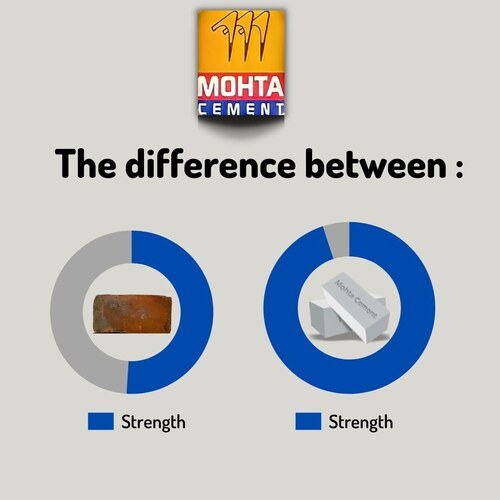
Tell us about your requirement

Price:
Quantity
Select Unit
- 50
- 100
- 200
- 250
- 500
- 1000+
Additional detail
Mobile number
Email

More Products in Fly Ash Bricks Category
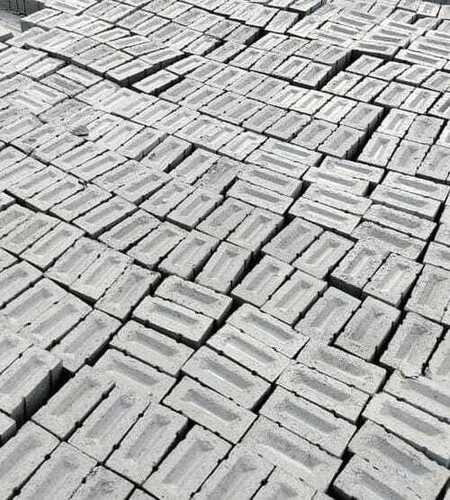
Fly ash Brick
Price 7 INR / Piece
Minimum Order Quantity : 3000 Pieces
Technics : Autoclaved
Size : 230 mm x 110 mm x 70 mm
Thickness : 70
Shape : Rectangular
Grey Rectangular Flyash Bricks
Price 5 INR / Piece
Minimum Order Quantity : 1000 Pieces
Technics : Autoclaved
Size : 230x110x90 mm
Thickness : 90 mm
Shape : Rectangular
Eco Fly Ash Bricks
Price 5 INR / Piece
Minimum Order Quantity : 3000 Pieces
Technics : Other, Machine Made
Size : 230 mm x 110 mm x 75 mm
Thickness : 100 mm
Shape : Rectangular

Rectangular Grey Fly Ash Bricks For Side Walls
Price 5 INR / Piece
Minimum Order Quantity : 1000 Pieces
Technics : Autoclaved
Size : 230 x 110 x 100 mm
Thickness : 100 mm
Shape : Rectangular

"We are only dealing in Madhya Pradesh"

 Send Inquiry
Our Products


Samyak Tower, 16/3, Old Palasia,Indore - 452018, Madhya Pradesh, India

Mr Gaurav Mohta
(Director)
Mobile :07971670859
 Send Inquiry
 Send SMS
 Call Me Free
Developed and Managed by Infocom Network Private Limited.


