Call us now :07971670859
 Send Inquiry
 Send Inquiry
Flyash Bricks Vs Red Bricks
Price 5 INR/ Piece
MOQ : 1000 Pieces
Flyash Bricks Vs Red Bricks Specification
- Compressive Strength
- Flyash Brick: 7.5 - 10 N/mm2; Red Brick: 3.5 - 5 N/mm2
- Dimension (L*W*H)
- Flyash Brick: 230 x 110 x 70 mm; Red Brick: 230 x 110 x 70 mm
- Porosity (%)
- Flyash Brick: 10-15%; Red Brick: 20-25%
- Water Absorption
- Flyash Brick: <15%; Red Brick: 15-20%
- Working Life
- Flyash Brick: High (Long Durability); Red Brick: Moderate
- Drying Shrinkage
- Flyash Brick: <0.15%; Red Brick: 0.15 - 0.2%
- Bricks Type
- Flyash Brick: Solid, Modular; Red Brick: Traditional/Conventional
- Material
- Flyash Brick: Fly Ash, Sand, Cement, Gypsum; Red Brick: Clay (Natural Soil)
- Type
- Flyash Brick: Machine Made; Red Brick: Handmade
- Color
- Flyash Brick: Light Grey; Red Brick: Red
- Size
- Flyash Brick: 230 x 110 x 70 mm; Red Brick: 230 x 110 x 70 mm
- Shape
- Flyash Brick: Rectangular, Uniform; Red Brick: Rectangular, Irregular
- Porosity
- Flyash Brick: Low; Red Brick: High
- Thickness
- Flyash Brick: 190 mm approx; Red Brick: 190 mm approx
- Technics
- Flyash Brick: Autoclaved/Ash Bricks Process; Red Brick: Fired in Kilns
- Feature
- Flyash Brick: Environment Friendly, High Strength, Uniform Shape; Red Brick: Conventional, Low Strength, Uneven Surface
- Usage
- Flyash Brick: Ideal for load-bearing and non-load bearing walls; Red Brick: Used for all types of construction, traditional preference
- Manufacturing Process
- Flyash Brick: Cured using steam for 24 hours; Red Brick: Fired in kilns
- IS Codes Applicable
- Flyash Brick: IS 12894; Red Brick: IS 1077
- Weight
- Flyash Brick: Lighter in weight; Red Brick: Heavier
- Salinity Effect
- Flyash Brick: Negligible white patches, non-saline; Red Brick: Prone to salinity/white salt deposits
- Sound Insulation
- Flyash Brick: Better sound insulation; Red Brick: Lower sound insulation
- Surface Finish
- Flyash Brick: Smooth finish; Red Brick: Rough finish, usually needs plastering
- Thermal Conductivity
- Flyash Brick: Lower, provides better insulation; Red Brick: Higher, less insulation
- Efflorescence
- Flyash Brick: Low; Red Brick: High
- Fire Resistance
- Flyash Brick: Higher; Red Brick: Standard
- Cost Efficiency
- Flyash Brick: More cost effective due to raw material; Red Brick: Higher cost due to energy and labor
- Eco-Friendliness
- Flyash Bricks use industrial waste (fly ash), reducing environmental impact. Red Bricks consume topsoil and cause land degradation.
Flyash Bricks Vs Red Bricks About
Are you looking to construct a solid foundation for your dream project? Look no further than Mohta Concrete Blocks! With our revolutionary approach to construction, we're here to transform your vision into reality while delivering unmatched durability, efficiency, and sustainability.Why choose Mohta Concrete Blocks over traditional red clay bricks? Allow us to present a compelling case:
1. Unparalleled Strength: Our concrete blocks are engineered to withstand the test of time. With their high compressive strength, they provide exceptional structural integrity, ensuring your building remains sturdy and secure for generations to come.
2. Enhanced Efficiency: Time is money, and Mohta Concrete Blocks understand that. Unlike red clay bricks, our blocks are larger in size, reducing the number of units required for your construction project. This results in faster installation, reduced labor costs, and accelerated project completion.
Eco-Friendliness: Sustainability and Environmental Impact
Flyash bricks are produced using industrial waste (fly ash), sand, cement, and gypsum, significantly reducing environmental harm by utilizing byproducts and preserving topsoil. Red bricks, meanwhile, depend on clay sourced from natural soil, leading to land degradation and topsoil depletion. Opting for flyash bricks supports sustainable construction practices and aligns with greener building standards.
Thermal Conductivity and Insulation Benefits
Flyash bricks have lower thermal conductivity, offering superior insulation properties which help maintain indoor temperatures, enhancing comfort and reducing energy costs. Red bricks possess higher thermal conductivity, making them less efficient at insulating buildings. This difference can have long-term impacts on energy efficiency in residential and commercial construction.
Cost Efficiency and Durability
Manufacturing flyash bricks is more energy- and cost-effective due to the use of industrial waste and less labor-intensive processes. Red bricks involve higher labor and energy consumption, driving up overall costs. Furthermore, flyash bricks exhibit higher compressive strength, lower water absorption, and greater working life, ensuring long-lasting structural durability.
FAQ's of Flyash Bricks Vs Red Bricks:
Q: How are flyash bricks and red bricks manufactured differently?
A: Flyash bricks are made from fly ash, sand, cement, and gypsum, then cured using steam (autoclaving) for about 24 hours. In contrast, red bricks are produced from clay, traditionally molded either by hand or machine, and fired in high-temperature kilns.Q: What are the primary environmental benefits of using flyash bricks over red bricks?
A: Flyash bricks recycle industrial waste and negate the need to excavate topsoil, thereby reducing land degradation and conserving natural resources. Red bricks, on the other hand, deplete fertile soil and often cause environmental harm during production.Q: Where are flyash bricks most suitable for use?
A: Flyash bricks are ideal for both load-bearing and non-load-bearing walls in residential, commercial, and industrial constructions. Their uniform shape, lighter weight, and superior strength make them well-suited for a wide range of building applications.Q: What advantages do flyash bricks offer in terms of surface finish and durability?
A: Flyash bricks have a smooth, uniform finish that reduces the need for plastering, and they also offer higher compressive strength, low porosity, and minimal water absorption, resulting in superior longevity compared to red bricks.Q: When should one choose red bricks despite the availability of flyash bricks?
A: Red bricks may be chosen for traditional aesthetics or in regions where flyash supplies and production facilities are limited. They are often used due to cultural preference and established local practices in some construction sectors.Q: How does the salinity effect and efflorescence compare between flyash and red bricks?
A: Flyash bricks exhibit negligible white salt deposits (efflorescence) due to their low porosity and non-saline composition, whereas red bricks are more prone to visible salinity patches and higher efflorescence, potentially affecting both appearance and strength.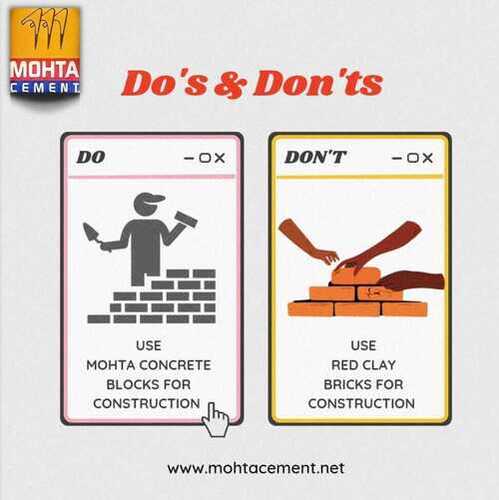
Tell us about your requirement

Price:
Quantity
Select Unit
- 50
- 100
- 200
- 250
- 500
- 1000+
Additional detail
Mobile number
Email

More Products in Fly Ash Bricks for Building Construction Category
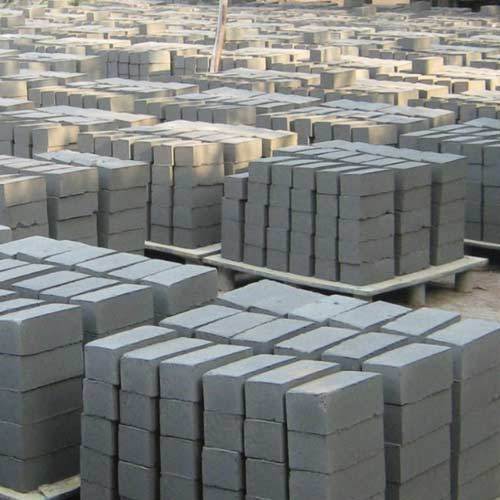
Flyash Bricks
Price 05 INR / Piece
Minimum Order Quantity : 3000 Pieces
Technics : Other, Machine Made
Thickness : 75 mm
Compressive Strength : 80120 kg/cm
Material : Other, Fly Ash, Cement, Sand
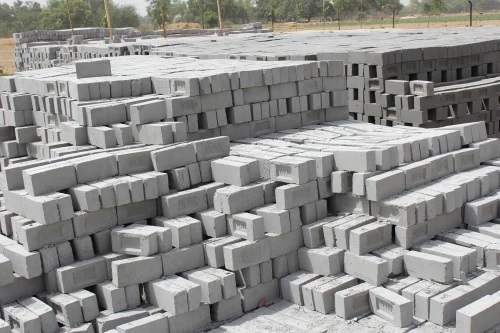
Grey Fly Ash Bricks
Price 5 INR / Piece
Minimum Order Quantity : 1000 Pieces
Technics : Autoclaved
Thickness : 100 mm (approx)
Compressive Strength : 910 N/mm
Material : Other, Fly Ash, Cement, Sand, Water
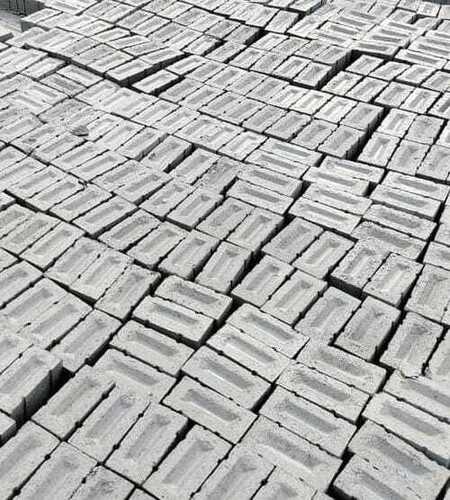
Ecofriendly Flyash Bricks
Price 5 INR / Piece
Minimum Order Quantity : 3000 Pieces
Technics : Other, Machine Made
Thickness : 75 mm
Compressive Strength : >100 kg/cm
Material : Other, Fly Ash, Cement, Sand
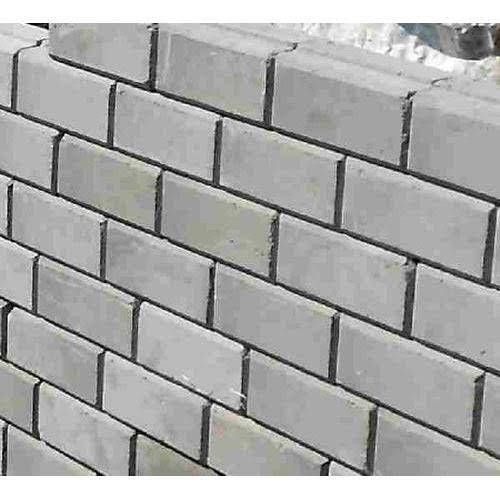
Rectangular Fly Ash Bricks
Price 5 INR / Piece
Minimum Order Quantity : 3000 Pieces
Technics : Other, Hydraulic Pressed
Thickness : 75 mm
Compressive Strength : Above 10 MPa
Material : Other, Fly Ash, Cement, Sand

"We are only dealing in Madhya Pradesh"

 Send Inquiry
Our Products


Samyak Tower, 16/3, Old Palasia,Indore - 452018, Madhya Pradesh, India

Mr Gaurav Mohta
(Director)
Mobile :07971670859
 Send Inquiry
 Send SMS
 Call Me Free
Developed and Managed by Infocom Network Private Limited.


